
Listen to this podcast in the app for free: Download for free in the App Store
radio.net
Sleep timer
Save favourites
437 episodes
Connoisseur Media CEO Jeff Warshaw on Saving Radio for Artists, Communities, and Listeners
2026-10-21 | 29 mins.Jeff Warshaw, Radio Ink's Executive of the Year and CEO of Connoisseur Media is on a mission. After his fireside chat with Fred Jacobs at Morning Show Boot Camp, Lynn Hoffman had to talk to him.
Jeff shares how, as a Wharton student, he built an AM radio station in Portage, Indiana from a construction permit. Along the way he dealt with a union that cut down his tower, a stolen tower section, and a police standoff. He talks about why optimism is required to buy radio stations today, and why saving radio matters for artists, advertisers, and the communities stations serve.
He also tells the story of a WEBE108 Christmas wish that came back to him unexpectedly, and how Chaz and AJ supported their community during Sandy Hook. He explains why he brought back fun, local names like Z93 and The Fridge after the Alpha Media deal. On the music side, Jeff names the Keane album that got him through his divorce, the first song he'd play if he programmed an hour tonight, and his three desert island albums.
Produced by Buzz Knight Media Productions. Part of the iHeart Podcast Network.
Support the show: https://musicsavedme.net/
See omnystudio.com/listener for privacy information.Kelsie Watts: Healing Through Music, Loss, and the Power of Connection in Our Lives-Encore Episode
2026-10-14 | 46 mins.Have you ever wondered how music can transform pain into healing? Join host Lynn Hoffman on this heartfelt journey in the latest episode of the Music Saved Me Podcast as she sits down with the incredibly talented Kelsie Watts, a singer-songwriter and Broadway performer whose powerful vocals resonate with authenticity and emotion. Kelsie opens up about her personal story, revealing how music has been a constant source of healing and connection in her life, particularly after the tragic loss of her brother to depression.
Throughout this encore episode, Kelsie reflects on her early influences, sharing how iconic artists like Whitney Houston and Celine Dion shaped her musical aspirations. With a rich family background in music, Kelsie discusses the pivotal moments that fueled her passion and creativity. As she delves into her experiences on NBC's The Voice, listeners will gain insight into the challenges and triumphs that come with pursuing a career in music. Kelsie's journey is not just about her rise as a performer; it's also about the deeper connections forged through her art.
Music has the remarkable ability to serve as a healing tool, and Kelsie passionately advocates for mental health awareness, emphasizing the importance of discussing emotional well-being. Through her original songs, she tackles themes of loss, resilience, and hope, offering a comforting message to those who may be struggling. This episode is a testament to the belief that music saved me and can save others, encouraging listeners to explore their own stories and find their voices.
As Kelsie shares her inspiring music stories, she invites you to reflect on the songs that saved your life and the moments that defined your journey. This episode of the Music Saved Me Podcast is not just an interview; it's a powerful reminder of how music connects us all, providing solace during our darkest times. Join us for an uplifting conversation filled with personal stories of musicians, and discover how music and emotional healing can pave the way for resilience and joy.
Whether you’re a fan of indie music stories or simply looking for inspiration, Kelsie's heartfelt insights and her belief in the transformative power of music will resonate deeply. Tune in to hear how Kelsie Watts embodies the essence of music saved me and how her journey can inspire you to embrace your own healing through music.
Support the show: https://musicsavedme.net/
See omnystudio.com/listener for privacy information.Cami Clune: How Music Became My Healing Tool Through Heartbreak and New Love Stories
2026-10-07 | 29 mins.What if the very thing that brings you joy also becomes your greatest source of healing? Join us on this heartfelt journey in the latest episode of the Music Saved Me Podcast as host Lynn Hoffman welcomes the incredibly talented singer-songwriter Cami Clune. Known for her captivating performances on NBC's The Voice and as the anthem singer for the Buffalo Sabres, Cami shares her inspiring story of resilience and transformation through music.
From her childhood, where melodies filled her family home, to the emotional highs and lows of recent heartbreak and newfound love, Cami Clune reveals how these experiences shaped her debut album, Should Be Sleeping, released on July 10th. This album features seven beautifully crafted songs that blend pop, rock, and country, showcasing her unique storytelling ability that resonates deeply with listeners. Cami's journey is a testament to the power of music as a healing tool, and she emphasizes how it has been a guiding light during her struggles with Ehlers-Danlos Syndrome.
Listeners will be captivated as Cami shares personal stories of musicianship, including a memorable moment when her microphone cut out during the national anthem at a Sabres game, leading the audience to sing along. This spontaneous act not only showcased the community's connection but also highlighted how music can unite us in moments of vulnerability. Cami’s experiences echo the sentiment that music saved me and continue to inspire her as she navigates life's challenges.
Throughout the episode, Cami Clune reflects on her parents' musical influences and her early love for musical theater, providing insight into her artistic evolution. As she discusses the emotional well-being that music brings, listeners will find themselves pondering the question: What song got you through something hard? This episode is a rich tapestry of indie music stories and personal anecdotes that reveal the profound impact of music on our lives.
Don't miss this opportunity to dive deep into Cami Clune's journey, where music saved my life becomes a central theme. Tune in to discover how this inspiring musician channels her experiences into art that resonates with many. Join us for an uplifting conversation that proves music is not just entertainment—it's a lifeline.
Support the show: https://musicsavedme.net/
See omnystudio.com/listener for privacy information.Luca Fogale on Music's Power: Healing, Generational Patterns, and the Journey of Self-Discovery in Life-Encore episode
2026-09-30 | 26 mins.What if the songs you love could help you heal and discover who you truly are? In this encore episode of the Music Saved Me Podcast, host Lynn Hoffman sits down with the immensely talented Juno-nominated singer-songwriter Luca Fogale from Vancouver, British Columbia. With over 180 million streams to his name, Fogale’s music resonates with listeners through its warm vocals and minimalist production, creating a space for introspection and emotional connection. This engaging conversation dives deep into his latest album, "Challenger," a powerful exploration of self-discovery, generational beliefs, and the emotional weight we all carry.
Luca Fogale opens up about his personal journey of unpacking inherited patterns and the transformative power of honesty in self-exploration. He bravely addresses the challenges of masculinity and societal expectations, emphasizing the importance of patience and understanding in the process of personal growth. As he shares his own experiences, listeners will find relatable threads woven through his story, highlighting how music has served as a vital tool for connection and healing throughout his life.
During this heartfelt discussion, Fogale reflects on how songwriting became a lifeline during times of isolation and loss, illustrating the profound impact of music on emotional well-being. As he shares the songs that saved his life, listeners are invited to consider what song got them through something hard. This episode is a rich tapestry of personal stories from musicians, emphasizing the healing power of music and the creative process.
Join Lynn Hoffman as she uncovers the emotional depth of Luca Fogale's work and the universal truths that resonate within the indie music stories we all share. Discover how music can be a healing tool, fostering connection and understanding in our lives. If you’re searching for inspiration from an artist who embodies the essence of music saved me, this episode is not to be missed. Tune in for an intimate look at the journey of an inspiring music icon, and let the power of music guide you through your own path of healing and self-discovery.
Whether you’re a fan of indie music discovery or simply looking for personal stories of musicians that inspire, this episode of the Music Saved Me Podcast promises to be a touching reminder of how music can save us all.
Support the show: https://musicsavedme.net/
See omnystudio.com/listener for privacy information.Scott Holiday- How Music Became His Healing Tool Through Emotional Struggles and Creative Growth
2026-09-23 | 38 mins.Have you ever wondered how music can transform pain into beauty? Join host Lynn Hoffman on the Music Saved Me Podcast as she sits down with Scott Holiday , the talented guitarist of Rival Sons, to explore his debut solo album, "Topology. " This episode dives deep into Holliday's creative process, which began as a daily ritual of writing musical fragments without the pressure of completing a song. Through this organic approach, he has crafted a unique sound that beautifully blends elements of psychedelic experimentation and vintage synths.
Scott Holiday opens up about his personal journey, sharing heartfelt stories of how music has been a source of solace during challenging times, particularly during his childhood when feelings of loneliness often engulfed him. As he reflects on the healing power of music, he emphasizes that it can serve as a transformative experience for both the artist and the listener. The album "Topology" is described as expansive and cinematic, showcasing a raw and genuine expression of Holliday's musical journey, making it a must-listen for fans of emotional healing through music.
Throughout the episode, Lynn and Scott Holiday discuss the collaborative nature of the album, highlighting the significant contributions from his longtime bandmate, Michael Miley. Miley's improvised drum recordings form the backbone of the album, adding depth and texture to Holliday's innovative sound. This conversation is rich with insights into the artist's songwriting stories and the importance of intent in creating art, making it a standout episode for those interested in indie music stories and the emotional healing and music connection.
As you tune in, prepare to be inspired by Scott's journey and his belief in music as a healing tool. Whether you're an aspiring musician or simply a lover of music, this episode of the Music Saved Me Podcast is sure to resonate deeply with you. Discover how the power of music can facilitate personal healing and connection, and join us in celebrating the incredible impact of music on our emotional well-being. Don't miss this opportunity to hear from one of the inspiring music icons of our time, Scott Holliday; it's an interview podcast that you won't want to skip!
So, plug in and let the Music Saved Me Podcast guide you through the transformative world of sound, healing, and connection. Tune in now and experience how music truly saved Scott Holliday and countless others on their journeys!
Support the show: https://musicsavedme.net/
See omnystudio.com/listener for privacy information.
More Music podcasts

Trending Music podcasts











About Music Saved Me Podcast
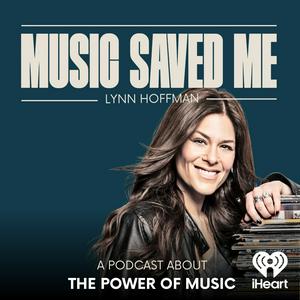
Music Saved Me is the podcast where inspiring music icons, emerging artists and healing voices share the moments music changed their lives. Hosted by Lynn Hoffman, the Music Saved Me podcast brings you personal stories of musicians who were transformed by the power of music.
Every episode traces an artist's journey: a band's journey through breakup and reinvention, an indie music story of hard-won discovery, a viral music success that changed everything, or the song that got someone through their lowest point. Along the way, Lynn explores healing through music, and the surprising ways music and emotional healing connect, including music's growing role in mental health.
Lynn brings warmth and curiosity to every conversation, spotlighting musicians who give back, nonprofits like Musicians On Call doing meaningful work, and the inspiring music icons who remind us why music matters.
Guests include Trey Lewis, Brad Wolfe, Jon Lampley, John Beltzer, Riley Smithson and Antoinette Costa.
Music Saved Me is produced by Buzz Knight Media Productions.
Also from BKMP on iHeart Podcasts:
🎸 Takin' A Walk, hosted by Buzz Knight
😂 Comedy Saved Me, hosted by Lynn Hoffman
🎵 Takin' A Walk Nashville, hosted by Sarah Harralson
Jersey Made Hosted by Buzz Knight
What song saved you? Tell us in the comments, and if an episode moved you, please leave a review.
Podcast websiteListen to Music Saved Me Podcast, Dolly Parton's America and many other podcasts from around the world with the radio.net app
Get the free radio.net app
- Stations and podcasts to bookmark
- Stream via Wi-Fi or Bluetooth
- Supports Carplay & Android Auto
- Many other app features
Get the free radio.net app
- Stations and podcasts to bookmark
- Stream via Wi-Fi or Bluetooth
- Supports Carplay & Android Auto
- Many other app features
Music Saved Me Podcast
Scan code,
download the app,
start listening.
download the app,
start listening.
Music Saved Me Podcast: Podcasts in Family
 Canada - english