
Listen to this podcast in the app for free: Download for free in the App Store
radio.net
Sleep timer
Save favourites
35 episodes
Ken & Wendee Grubbs: Tactical Relationship Training
2026-10-15 | 39 mins.In this episode of Two Chiefs One Mic, Scott Hughes sits down with Ken and Wendee Grubbs of Bless the Badge to discuss Tactical Relationship Training and their work helping law enforcement couples strengthen their marriages.
They share practical advice on communication, setting expectations for decompression after a shift, and recognizing when silence creates distance at home. Scott also reflects on lessons from his own career about making family a priority.
Whether you wear the badge or love someone who does, this conversation offers tools to help you invest in your relationship.Law Enforcement Skillbridge
2026-09-25 | 22 mins.Police departments looking for new ways to recruit should take a closer look at the DoD SkillBridge program.
In this episode of Two Chiefs, One Mic, Scott Hughes talks with Mike Forehand of Police Hiring Solutions about how SkillBridge connects transitioning service members with civilian career opportunities. Mike explains what police agencies need to do to participate, how to build a useful training experience, and why giving candidates a realistic look at the profession can benefit both the service member and the department.
If you’re a police leader exploring new recruiting options—or a service member considering a career in law enforcement—this conversation is a good place to start.Adam Davis
2026-09-03 | 36 mins.Adam Davis shares his remarkable journey, beginning with his experience as a police officer and the challenges he faced. After battling alcoholism and reaching a low point in his life, Adam found solace in writing. His commitment to helping others in the law enforcement community has led to the release of 11 books and a mission to positively impact officers across the country.Leadership Under Fire with Keith Grounsell
2026-08-19 | 34 mins.What happens when doing the right thing puts your career on the line?
On this episode of Two Chiefs, One Mic, we sit down with Keith Grounsell, author of Leadership Under Fire, for a candid conversation about integrity, resilience, politics, and the realities of leading in law enforcement.
Keith shares lessons from nearly 30 years in law enforcement, including his time as a DEA Special Agent, police chief, and international work with police forces around the world.
We dive into one of the most challenging periods of his career: when Keith refused to compromise his integrity, lost his position, and was ultimately vindicated and reinstated as chief.
We also talk about rebuilding a divided department, navigating politics, empowering your people, and why some of the most important leadership lessons come when doing the right thing isn't easy.
This is a great conversation for current and aspiring police leaders, and anyone who has ever had their leadership tested.
🎙️ Two Chiefs, One MicRevolutionizing First Responder Safety with the Lit Traffic Vest
2026-08-18 | 22 mins.What happens when a tragedy exposes a problem with equipment first responders have relied on for decades?
On this episode of Two Chiefs, One Mic, we sit down with Don Campbell, creator of the Lit Traffic Vest, an LED safety vest designed to make police officers, firefighters, and other first responders more visible while working dangerous roadway scenes.
The idea came after the tragic death of Officer Dale Woods, who was struck by a vehicle while directing traffic in 2019. Don recognized that traditional reflective vests can become difficult to see against the flashing lights, headlights, and visual chaos of an emergency scene.
His solution was simple: instead of relying on reflected light, create your own.
Don shares how that idea became the Lit Traffic Vest, why he chose green LED lighting, what he learned through real-world testing, and why he believes better visibility can save first responders' lives.
It's a conversation about tragedy, innovation, officer safety, and challenging the way we've always done things.
🎙️ Two Chiefs, One Mic with Chief Mike Hawkins and retired Chief Scott Hughes.
More Government podcasts







Trending Government podcasts







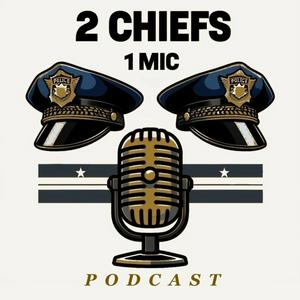
About 2 Chiefs 1 Mic
🎙️ Welcome to Two Chiefs, One Mic 🎙️
Real talk. No filters. Straight from the top seat.
Hosted by Chief Scott Hughes and Chief Mike Hawkins, Two Chiefs, One Mic is the podcast where law enforcement leadership gets honest. We dive into the challenges, lessons, and moments no one tells you about when you're handed the chief's badge.
Whether you're a current police chief, climbing the ranks, or just passionate about the profession, this is your inside look at what it really means to lead in modern policing.
📩 Have a topic idea or want to be a guest? Email us: 2chiefs1mic@gmail.com
Podcast websiteListen to 2 Chiefs 1 Mic, American Power and many other podcasts from around the world with the radio.net app
Get the free radio.net app
- Stations and podcasts to bookmark
- Stream via Wi-Fi or Bluetooth
- Supports Carplay & Android Auto
- Many other app features
Get the free radio.net app
- Stations and podcasts to bookmark
- Stream via Wi-Fi or Bluetooth
- Supports Carplay & Android Auto
- Many other app features

2 Chiefs 1 Mic
Scan code,
download the app,
start listening.
download the app,
start listening.
 Canada - english