
Listen to this podcast in the app for free: Download for free in the App Store
radio.net
Sleep timer
Save favourites
582 episodes
494 - Fall Broccoli and Tomatoes in a 100° September:: My Season of Adjustments (Part 2)
2026-10-20 | 36 mins.Growing fall vegetables when temperatures won't drop can be frustrating, even for experienced gardeners.
What can you do to help broccoli, cabbage, and cauliflower survive extreme heat? And which crops might surprise you?
After six weeks of 100-degree temperatures and drought in my Arkansas garden, I'm sharing what worked, what struggled, and what I'll change next year.
We'll talk about planting dates, choosing broccoli varieties, using shade cloth, managing irrigation, and protecting transplants. I'll also share my surprising success with bok choy and what happened to my tomatoes, cucumbers, squash, and peppers when the heat just wouldn't let up.
YouTube Video: https://youtu.be/fQTlF_XNBHg?si=6Zxg_ScpZVXoBsFt
Free Download: Broccoli, Cauliflower & Cabbage Quick-Start Growing Guide
Learn when to plant, how to protect your crops, and how to grow healthier brassicas in spring and fall.
http://journeywithjill.net/broccoli-guide
Key Takeaways
Choose short-season broccoli varieties and plant early enough for fall harvests.
Use shade cloth for transplant protection while allowing airflow and adequate sunlight.
Pot up seedlings before they become root-bound and harden them off carefully.
Keep soil consistently moist without overwatering, especially during extreme heat.
Learn which fall and summer crops tolerated the heat and how to adjust your garden next year.
Chapters
00:00 – Why this fall garden was different
02:13 – Learning from difficult growing seasons
04:34 – How past failures improved my broccoli
06:54 – Choosing broccoli, cabbage, and cauliflower
09:58 – Avoid planting broccoli too late
12:16 – Using shade cloth and watering correctly
14:34 – Preventing root-bound broccoli seedlings
16:53 – Hardening off transplants in extreme heat
19:09 – Preparing soil and transplanting successfully
21:30 – How fall brassicas handled 100-degree heat
23:44 – Growing bok choy for summer salads
26:08 – Finding new ways to harvest bok choy
28:30 – Why tomatoes struggled in extreme heat
30:55 – Growing tomatoes from suckers
31:14 – Late-season cucumbers, squash, and zucchini
33:38 – Why peppers benefited from shade
34:44 – What this growing season taught me
37:08 – Reflecting on your garden and planning ahead
Resource Links
Free Broccoli, Cauliflower & Cabbage Quick-Start Growing Guide: http://journeywithjill.net/broccoli-guide
The Beginner's Garden Resource Vault: https://journeywithjill.net/free-garden-downloads
Friday Emails: Get my weekly personal gardening email, access to free growing guides, and updates about the upcoming Five-Day Garden Audit. https://journeywithjill.net/gardensignup
Connect with Me:
YouTube: https://www.youtube.com/@TheBeginnersGarden
Instagram: https://www.instagram.com/thebeginnersgarden/
Podcast and gardening resources: https://journeywithjill.net/
Recommended Brands & Products: https://journeywithjill.net/recommended-brands-and-products/
Amazon Storefront: https://www.amazon.com/shop/thebeginnersgarden
Complete Garden Planner: Plan your planting dates, track your garden, and record what you learn each season. https://shop.journeywithjill.net/
Disclaimer
Gardening advice shared in this podcast is based on my own experience in Zone 8a (Arkansas) and from the feedback I receive from others in different gardening contexts. Your results may differ depending on your location, climate, and growing conditions. Always check your local extension service or trusted resources for region-specific guidance.
Some links mentioned may be affiliate links, which means I earn a small commission at no extra cost to you if you make a purchase. As an Amazon Associate, I earn from qualifying purchases.493 - Fall Lettuce in a 100° September: My Season of Adjustments (Part 1)
2026-10-13 | 26 mins.Struggling to keep your fall garden alive through unusually hot weather?
If your lettuce seedlings are wilting or your fall planting schedule has fallen behind, you're not alone.
I'm sharing practical fall gardening lessons from a season of extreme heat and drought in my Arkansas garden.
After 13 years of gardening, I experienced something I'd never encountered before: weeks of triple-digit temperatures and flash drought conditions stretching into September. In this episode, I'll walk you through what happened to my lettuce and pansies, the decisions I made to protect my seedlings, and what I'll do differently next time.
Free Download: Lettuce Quick-Start Growing Guide
Learn when to plant lettuce, how to start seeds indoors, and how to prevent bolting and bitterness. You'll also get free access to my Beginner's Garden Resource Vault.
http://journeywithjill.net/lettuce-guide
Grow Garlic With Confidence
My Garlic Mini Course includes 10 short video lessons covering everything from preparing your soil and planting to harvesting and saving garlic for next year.
https://journeywithjill.net/pcaudio/garlicworkshop/
Key Takeaways
Learn why lettuce struggles to germinate and grow during extreme heat.
Discover when to keep seedlings indoors instead of transplanting.
Recognize the signs of underwatering in indoor seed trays.
Understand why moving seedlings into larger containers matters.
Learn what worked when growing pansies from seed for fall planting.
Chapters
00:00 – What extreme heat taught me
02:14 – Lessons from a challenging fall garden
04:35 – Why I delayed transplanting lettuce
06:55 – Growing lettuce through triple-digit temperatures
09:19 – Choosing which seedlings to protect
11:38 – Starting pansies from seed
14:03 – Keeping seedlings alive while traveling
16:12 – How to recognize underwatered seedlings
18:35 – Why container size matters
20:53 – Transplanting lettuce after the heat
21:07 – Planting pansies and experimenting with onions
22:51 – Growing onions in vertical planters
25:13 – Testing a late spinach planting
26:29 – Preparing the garden for garlic
27:56 – Final thoughts
Resource Links
Free Gardening Guides
Lettuce Quick-Start Growing Guide: http://journeywithjill.net/lettuce-guide
Seed Starting Troubleshooting Guide: http://journeywithjill.net/seed-starting-troubleshooting-guide
Garlic Planting Cheat Sheet: http://journeywithjill.net/garliccheatsheet
Spinach Quick-Start Growing Guide: https://journeywithjill.net/pcaudio/spinach-guide/
Grow Garlic With Confidence
My Garlic Mini Course includes 10 short video lessons covering everything from preparing your soil and planting to harvesting and saving garlic for next year.
https://journeywithjill.net/garlicworkshop
Connect With Me
Friday Gardening Emails: https://journeywithjill.net/gardensignup
YouTube: https://journeywithjill.net/youtube-podcast
Instagram: https://www.instagram.com/thebeginnersgarden/
Podcast and gardening resources: https://journeywithjill.net/
Recommended Gardening Products
GreenStalk Vertical Planters: https://journeywithjill.net/greenstalk
Epic Gardening Seed Starting Supplies: http://journeywithjill.net/epic
Botanical Interests Seeds: https://www.botanicalinterests.com/JOURNEYWITHJILL
Recommended Brands and Products: https://journeywithjill.net/recommended-brands-and-products/
Amazon Storefront: https://www.amazon.com/shop/thebeginnersgarden
Disclaimer
Gardening advice shared in this podcast is based on my own experience in Zone 8a (Arkansas) and from the feedback I receive from others in different gardening contexts. Your results may differ depending on your location, climate, and growing conditions. Always check your local extension service or trusted resources for region-specific guidance.
Some links mentioned may be affiliate links, which means I earn a small commission at no extra cost to you if you make a purchase. As an Amazon Associate, I earn from qualifying purchases.492 - Where to Plant Garlic (next summer considerations)
2026-10-06 | 16 mins.Not sure where to plant garlic without giving up valuable spring garden space?
Garlic stays in the garden for months, so where you plant it now matters next spring.
In this episode, I'll show you practical garlic planting layouts for raised beds and small gardens.
Free Download: Garlic Planting Cheat Sheet
Get the timing, spacing, and growing basics you need for your first (or best) garlic crop.
http://journeywithjill.net/garliccheatsheet
Learn More about Garlic: Garlic Growing Mini Course
This mini course is a favorite of my audience! If you want to have success growing garlic click here:
journeywithjill.net/pcaudio/garlicworkshop/
Use code GARLIC26 to enroll for just $19 (Reg. $29)
Garlic is one of the easiest crops I grow, but it occupies garden space from fall until late spring or early summer. That means your garlic planting plan needs to account for the broccoli, carrots, lettuce, peppers, and other crops you may want to grow next year.
In this episode, I'm sharing several ways to fit garlic into your garden, including borders, relay planting, checkerboard layouts, and dedicated garlic beds. I'll also explain which crops can share space with garlic and which ones I would avoid.
Key Takeaways
Treat fall-planted garlic as your first spring planting.
Leave about six inches between garlic and future plantings.
Use borders or relay planting to save raised-bed space.
Pair garlic with crops that will not shade it early.
Follow garlic with heat-loving summer crops after harvest.
Chapters
00:00 – Why garlic placement matters
01:11 – Plan for garlic's long season
03:20 – Save room for spring crops
05:36 – Fit garlic into small gardens
07:56 – Try relay planting with garlic
10:13 – Choose good garlic companions
12:34 – Follow garlic with summer crops
13:03 – Protect garlic's sunlight
13:57 – Avoid problematic companions
16:11 – Get step-by-step garlic help
Resource Links
Garlic Planting Cheat Sheet:
http://journeywithjill.net/garliccheatsheet
Garlic Mini Course:
Learn step-by-step how to prepare, plant, grow, harvest, cure, and save garlic for next year.
https://journeywithjill.net/garlicworkshop
This workshop/course is a paid product from Journey with Jill.
Connect with Journey with Jill
Friday Emails:
https://journeywithjill.net/gardensignup
YouTube:
https://www.youtube.com/c/JourneywithjillNet/videos
Instagram:
https://www.instagram.com/thebeginnersgarden/
Podcast Archive:
https://journeywithjill.net/the-beginners-garden-podcast/
Recommended Brands & Products:
https://journeywithjill.net/recommended-brands-and-products/
Amazon Storefront:
https://www.amazon.com/shop/thebeginnersgarden
As an Amazon Associate, I earn from qualifying purchases.
Disclaimer
Gardening advice shared in this podcast is based on my own experience in Zone 8a (Arkansas) and from the feedback I receive from others in different gardening contexts. Your results may differ depending on your location, climate, and growing conditions. Always check your local extension service or trusted resources for region-specific guidance.
Some links mentioned may be affiliate links, which means I earn a small commission at no extra cost to you if you make a purchase. As an Amazon Associate, I earn from qualifying purchases.491 - Should you plant onions in the fall?
2026-09-29 | 28 mins.Planting onions in fall might give you an earlier harvest than you thought possible.
If you garden in Zone 7 or warmer, overwintering onions may help you harvest sooner, reduce bolting, and spread your onion harvest across several months.
In this episode, I'm sharing what happened when I tested fall-planted onions in my Zone 8a Arkansas garden and how to decide whether this method could work where you live.
Free Download: Onion Quick-Start Growing Guide
Learn how to choose the right onion type for your location, get your planting timing right, and grow bigger, healthier onions.
Get the Onion Quick-Start Growing Guide
Key Takeaways
Decide if fall planting fits your climate.
Choose onions for your day length.
Plant smaller transplants to reduce bolting.
Protect onions during extreme cold.
Extend your harvest into three months.
Chapters
00:00 – Why I tried fall onions
01:07 – Who can plant in fall
02:56 – My first fall onion experiment
04:42 – How onions handled winter
06:46 – Raised beds vs. greenhouse
09:11 – Harvest onions earlier
11:31 – Extend your onion harvest
13:56 – Why fall onions bolt less
16:09 – Choose the right transplant size
18:26 – How hardy are onions?
20:43 – Consider zone and latitude
23:06 – Colder-zone considerations
25:21 – Plan your garden space
27:39 – Try onions from seed
28:54 – Is fall planting worth trying?
Resource Links
Onion Quick-Start Growing Guide: Learn the basics of choosing and growing onions for your garden.
Get the free guide
Onion Growing Trials YouTube: Did it work? Click to find out: https://youtu.be/vfR2G8daLXE?si=v1_Ed_K-z2o7j6mL
Friday Emails: Get gardening tips, seasonal reminders, and updates from my garden.
Sign up for Friday Emails
YouTube:
Journey with Jill on YouTube
Instagram:
The Beginner's Garden on Instagram
Podcast Archive:
The Beginner's Garden Podcast
Recommended Brands & Products:
See my recommended gardening products
Amazon Storefront:
Shop my Amazon recommendations
Complete Garden Planner: Ready for a simple system to plan and track your garden season?
See the Complete Garden Planner
Disclaimer
Gardening advice shared in this podcast is based on my own experience in Zone 8a (Arkansas) and from the feedback I receive from others in different gardening contexts. Your results may differ depending on your location, climate, and growing conditions. Always check your local extension service or trusted resources for region-specific guidance.
Some links mentioned may be affiliate links, which means I earn a small commission at no extra cost to you if you make a purchase. As an Amazon Associate, I earn from qualifying purchases.490 - Fall Crop Adjustments as the Weather Turns
2026-09-22 | 21 mins.Your fall garden may be growing the same vegetables you planted in spring, but that doesn't mean they need the same care. Shorter days, warm soil, changing temperatures, and slower growth all affect how you should water, shade, and protect fall crops. In this episode, I'll help you adjust your fall garden care so lettuce, carrots, broccoli, and other cool-season crops have what they need.
Free Download: Spinach Growing Guide
Spinach can be a tricky crop to grow successfully depending on your location. This guide will help you have success.
https://journeywithjill.net/pcaudio/spinach-guide/
Key Takeaways
Water more at planting, then taper as fall cools.
Remove shade cloth once seedlings are established.
Give broccoli and carrots as much fall sun as possible.
Plant more lettuce and greens to offset slower growth.
Protect crops from sudden early freezes when needed.
Chapters
00:00 – Why fall care is different 02:05 – Adjust watering as temperatures change 05:15 – Use fall shade cloth differently 07:26 – Know when to remove shade 09:47 – Give broccoli more fall sun 11:13 – Why carrots need enough sunlight 13:29 – Plant more fall lettuce and greens 15:42 – Prepare crops for early freezes 18:06 – When to use row covers 20:30 – Learn by observing your garden 21:44 – What's coming next
Resource Links
Seasonal Garden Task List: https://journeywithjill.net/seasonal-task-list
Friday Emails + Free Growing Guides: https://journeywithjill.net/gardensignup
Recommended Brands & Products: https://journeywithjill.net/recommended-brands-and-products/
Amazon Storefront: https://www.amazon.com/shop/thebeginnersgarden
Complete Garden Planner: https://shop.journeywithjill.net/
Disclaimer
Gardening advice shared in this podcast is based on my own experience in Zone 8a (Arkansas) and from the feedback I receive from others in different gardening contexts. Your results may differ depending on your location, climate, and growing conditions. Always check your local extension service or trusted resources for region-specific guidance.
Some links mentioned may be affiliate links, which means I earn a small commission at no extra cost to you if you make a purchase. As an Amazon Associate, I earn from qualifying purchases.
More Education podcasts






Trending Education podcasts














About The Beginner's Garden with Jill McSheehy
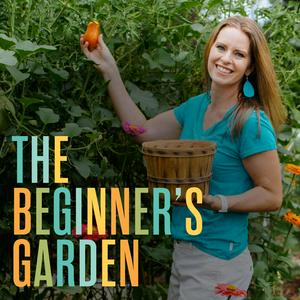
Welcome to the Beginner's Garden Podcast! This is the podcast with easy-to-understand resources, tips, and information to help beginning gardeners get the most out of their gardening adventure -- big or small. When I began gardening in 2013, I scoured books and Internet resources to find all the information I could. Although good information was abundant, I had trouble understanding all the gardening lingo and sifting through the information to figure out what would work for me. In this podcast, my aim is to provide helpful information while explaining the gardening lingo as we go. I want to equip YOU to have the best start ever this gardening season!
Podcast websiteListen to The Beginner's Garden with Jill McSheehy, How to Be a Better Human and many other podcasts from around the world with the radio.net app
Get the free radio.net app
- Stations and podcasts to bookmark
- Stream via Wi-Fi or Bluetooth
- Supports Carplay & Android Auto
- Many other app features
Get the free radio.net app
- Stations and podcasts to bookmark
- Stream via Wi-Fi or Bluetooth
- Supports Carplay & Android Auto
- Many other app features
The Beginner's Garden with Jill McSheehy
Scan code,
download the app,
start listening.
download the app,
start listening.
 Canada - english