
Listen to this podcast in the app for free: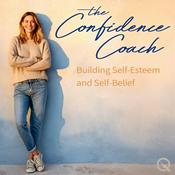 Download for free in the App Store
radio.net
Sleep timer
Save favourites
The Confidence Coach: Building Self-Esteem and Self-Belief
Liquid Studios
Latest episode
0 episodes
More After Shows podcasts









Trending After Shows podcasts




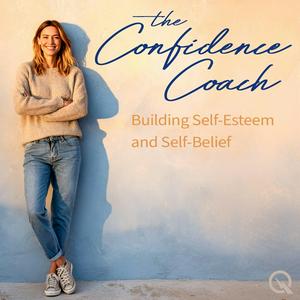
About The Confidence Coach: Building Self-Esteem and Self-Belief
"The Confidence Coach: Building Self-Esteem and Self-Belief" is a podcast dedicated to empowering individuals to cultivate a stronger sense of self-confidence and self-belief. Through insightful interviews with experts, personal stories, and practical strategies, the host guides listeners on a journey to overcome self-doubt, improve self-perception, and unlock their full potential. Whether you're struggling with imposter syndrome, seeking to boost your self-esteem, or simply wanting to enhance your overall confidence, this podcast offers a transformative experience that can positively impact all areas of your life.
For more info go to https://www.quietplease.ai
Check out these deals https://amzn.to/3zlo77e
This content was created in partnership and with the help of Artificial Intelligence AI.
Podcast websiteListen to The Confidence Coach: Building Self-Esteem and Self-Belief, Podlandia: A-O Rewatch with Fred Armisen and Carrie Brownstein and many other podcasts from around the world with the radio.net app
Get the free radio.net app
- Stations and podcasts to bookmark
- Stream via Wi-Fi or Bluetooth
- Supports Carplay & Android Auto
- Many other app features
Get the free radio.net app
- Stations and podcasts to bookmark
- Stream via Wi-Fi or Bluetooth
- Supports Carplay & Android Auto
- Many other app features
The Confidence Coach: Building Self-Esteem and Self-Belief
Scan code,
download the app,
start listening.
download the app,
start listening.
The Confidence Coach: Building Self-Esteem and Self-Belief: Podcasts in Family
 Canada - english