Integrative health expert & naturopathic physician Dr. Robert Kachko shares his powerful framework for better understanding our biology, our ecology and our biography. His holistic approach helps patients navigate PTSD, trauma, and chronic conditions. His work centers on some really powerful questions: Why does a body get sick? What are our symptoms trying to tell us? And how can that information be reverse engineered into a treatment plan? Links to resources mentioned in this episode: American Association of Naturopathic Physicians Somatic Experiencing Trauma and Violence Veterans Administration National Center for PTSD Remission from post-traumatic stress disorder in the general population Remission from post-traumatic stress disorder in the general population Recovery from DSM-IV post-traumatic stress disorder in the WHO World Mental Health surveys Assessing Primary Care Contributions to Behavioral Health: A Cross-sectional Study Using Medical Expenditure Panel Survey Clinician's Guide to Medications for PTSD 2023 U.S. Surgeon General - Our Epidemic of Loneliness and Isolation ‘Dunbar's number’ deconstructed Why friendship and loneliness affect our health Note: In this show, we use “women” as shorthand for people with XX chromosomes. We understand sex and gender are more complex, and acknowledge the experiences we describe reach beyond that word. See omnystudio.com/listener for privacy information.
Decoding Your Hormone Support Questions with Siobhan O’Connor
2026-03-10 | 52 mins.
We’re tackling your questions about midlife hormone support. We’ll debunk common myths, unpack the research, and break down the basics of hormone support. We’ll also discuss some of the systemic benefits that may come with taking hormones, as well as important considerations for people with a history of health conditions, like cancer or stroke. Joining Dr. Elizabeth Poynor for this discussion is Atria Health Institute’s Chief Content Officer Siobhan O’Connor. Links to resources mentioned in this episode: (00:25:29) - Decoding Happiness in Midlife with Dr. Laurie Santos (00:27:27) - Decoding Brain Fog with Dr. Caroline Gurvich (00:48:00) - Decoding Partnership in Midlife with Dr. Richard Shapiro Vaginal estrogen use in breast cancer survivors: a systematic review and meta-analysis of recurrence and mortality risks Oral micronized progesterone for perimenopausal night sweats and hot flushes a Phase III Canada-wide randomized placebo-controlled 4 month trial Systematic review and meta-analysis of the effects of menopause hormone therapy on risk of Alzheimer’s disease and dementia Menopausal Hormone Therapy and Risk of Endometrial Cancer Allopregnanolone and Reproductive Psychiatry: An Overview Adverse Changes in Body Composition During the Menopausal Transition and Relation to Cardiovascular Risk: A Contemporary Review The role of lifestyle medicine in menopausal health: a review of non-pharmacologic interventions Skeletal muscle as an endocrine organ: PGC-1α, myokines and exercise ADHD and Sex Hormones in Females: A Systematic Review The range and variation in serum estradiol concentration in perimenopausal and postmenopausal women treated with transdermal estradiol in a real-world setting: a cross-sectional study The use of HRT containing transdermal estradiol in women with a personal history of venous or arterial thromboembolism: A consecutive series of 115 cases Recurrent Uncomplicated Urinary Tract Infections in Women: AUA/CUA/SUFU Guideline (2025) Note: In this show, we use “women” as shorthand for people with XX chromosomes. We understand sex and gender are more complex, and acknowledge the experiences we describe reach beyond that word. See omnystudio.com/listener for privacy information.
Decoding Alcohol with Dr. David Dodick
2026-02-24 | 47 mins.
Leading preventive neurologist Dr. David Dodick joins the show to unpack what alcohol is really doing inside the body. We dive into how it affects the brain, why it’s linked to an increased cancer risk, how it influences the immune system, and what makes alcohol especially impactful for women navigating perimenopause and menopause. If you’ve ever wondered what alcohol use might mean for your long-term health, this conversation is for you. Special thanks to Antonia Lyons Links to resources mentioned in this episode: Office of the Surgeon General: Alcohol and Cancer Risk Dementia prevention, intervention, and care: 2024 report of the Lancet standing Commission Women's alcohol use in mid-life: Identifying associations between menopause symptoms, drinking behavior, and mental health Note: In this show, we use “women” as shorthand for people with XX chromosomes. We understand sex and gender are more complex, and acknowledge the experiences we describe reach beyond that word. See omnystudio.com/listener for privacy information.
Decoding Partnership in Midlife with Dr. Richard Shapiro
2026-02-10 | 33 mins.
We’ve talked a lot on this show about health issues midlife women face. But what about the other people who often have a front-row seat to these changes, and can play a key supporting role? This week, a conversation about supporting a partner who’s going through menopause—with none other than Elizabeth’s own partner: Dr. Richard Shapiro (who also happens to be a pioneering breast cancer and melanoma researcher and surgeon). They talk about the ways they’ve navigated midlife changes in their relationship, common misconceptions about taking hormones, and impacts menopause can have on relationships, as well as give advice for how both partners and clinicians can better support women experiencing menopause. Links to resources mentioned in this episode: (00:01:38) Dr. Elizabeth Poynor on Rich Roll’s podcast Menopausal Hormone Therapy and the Risk of Breast Cancer in Women with a Pathogenic Variant in BRCA1 or BRCA2 The Menopause Society 8 facts about divorce in the United States Note: In this show, we use “women” as shorthand for people with XX chromosomes. We understand sex and gender are more complex, and acknowledge the experiences we describe reach beyond that word. See omnystudio.com/listener for privacy information.
Decoding Psychedelics with Dr. Grace Blest-Hopley
2026-01-27 | 48 mins.
What if psychedelics could transform the way we treat trauma, chronic pain, and insomnia? This week, neuroscientist and psychedelic researcher Grace Blest-Hopley joins the show to break down the research on psychedelics and female biology. She discusses how psychedelics work in the brain, and the ways that psychedelic-assisted therapies might be beneficial for women in midlife. Links to resources mentioned in this episode: Hystelica’s resources on psychedelic retreats The Heroic Hearts Project Psychedelics and Neuroplasticity: A Systematic Review Unraveling the Biological Underpinnings of Psychedelics Exploring the Therapeutic Effects of Psychedelics Administered to Military Veterans in Naturalistic Retreat Settings The acute effects of classic psychedelics on memory in humans Psilocybin with psychological support for treatment-resistant depression: six-month follow-up Single-Dose Psilocybin for a Treatment-Resistant Episode of Major Depression Psilocybin produces substantial and sustained decreases in depression and anxiety in patients with life-threatening cancer: A randomized double-blind trial Johns Hopkins study on psychedelics and Alzheimer’s Note: In this show, we use “women” as shorthand for people with XX chromosomes. We understand sex and gender are more complex, and acknowledge the experiences we describe reach beyond that word. See omnystudio.com/listener for privacy information.
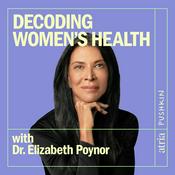
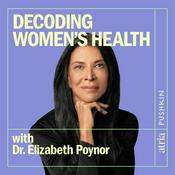
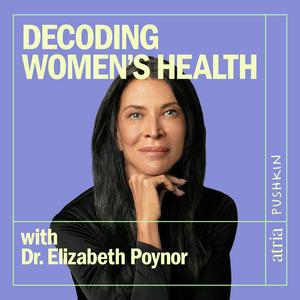
About Decoding Women's Health with Dr. Elizabeth Poynor
Why is it still so hard for women to find reliable, modern health information about their own bodies? On Decoding Women's Health, Dr. Elizabeth Poynor, chair of women’s health & gynecology at the Atria Health Institute, shares expert insights on women’s health, hormones, and longevity science to help you thrive at any stage of midlife and beyond.
Dr. Poynor, a world-renowned gynecologic oncologist and advanced pelvic surgeon, speaks with leading physicians, researchers, and educators to share the latest science on women’s wellness, disease prevention, and what it really means to age on your own terms. Each episode explores a different aspect of how to improve your health during midlife—from heart disease and genetic risks to metabolism, hormones nutrition, cognitive health, and beyond.
Whether you're in perimenopause, postmenopause, or simply looking for tools to prepare for the next chapter, take charge of your health—now and for the future—with expert guidance and practical advice to help you thrive.
Listen to Decoding Women's Health with Dr. Elizabeth Poynor, Nothing much happens: bedtime stories to help you sleep and many other podcasts from around the world with the radio.net app


























 Canada - english